
Mind/Body Balance
Resources on Traditional Chinese Medicine
Welcome to our Mind-Body Balance Blog, where ancient wisdom meets insightful wellness guidance to nourish your whole being. Explore topics ranging from the foundational principles of Traditional Chinese Medicine (such as the Five Elements, Yin and Yang, and Qi) to practical self-care tools such as Gua Sha for skin health, San Fu immune-boosting techniques, and rituals aligned with nature’s rhythms. Deepen your understanding of holistic health and integrate time-tested practices into your daily life. Let this space be your sanctuary for learning, balance, and mindful transformation.

Cupping and Fascia
Traditional Chinese Medicine has refined its understanding of pain, healing, and restoration over thousands of years, developing a wide range of therapeutic modalities designed to support the body’s natural ability to recover and rebalance.
In recent years, practices such as cupping and guasha have become familiar to a much broader audience, thanks in part to high-profile athletes at the Olympic Games who openly displayed the characteristic marks of these therapies. While these visual signs sparked curiosity and conversation, they also helped illuminate the deeper purpose behind these techniques, which is relieving pain, restoring function, and encouraging true healing within damaged or stressed areas of the body.

Seasonal Allergies-A TCM Perspective
Seasonal allergies, from the perspective of traditional Chinese medicine, are not viewed as an isolated immune overreaction or a simple sensitivity to pollen, dust, or mold. Instead, they are understood as a reflection of the body’s relationship with its environment and the balance—or imbalance—of internal systems that govern protection, circulation, and adaptation to seasonal change. Where modern medicine often asks, “What is the allergen?” Chinese medicine asks a different question: “Why is this person vulnerable right now?”

Middle Pregnancy What to Expect from a TCM Perspective
In Traditional Chinese Medicine, the second trimester of pregnancy, spanning roughly weeks 13 through 28, is regarded as a uniquely important and stabilizing phase. It is traditionally called “the period when the fetus becomes secure,” reflecting the belief that the embryo has fully anchored in the womb and that the Chong and Ren channels gradually settle into balance.
This stage symbolizes a growing harmony between mother and fetus, yet it also marks a time when the mother’s Qi, Blood, and Kidney Essence are increasingly called upon to support ongoing development.

Winter’s Quiet Power: Traditional Chinese Medicine Wisdom for Deep Nourishment and Renewal
In Traditional Chinese Medicine (TCM), winter is not simply a season to endure—it is a season to honor. While modern culture often pushes us to maintain the same pace year-round, TCM teaches that winter is governed by entirely different rules. It is a time of storage, conservation, and deep nourishment, when the body mirrors nature’s stillness. Understanding how to care for ourselves during winter allows us not only to avoid illness, but to emerge into spring with greater vitality, clarity, and resilience.
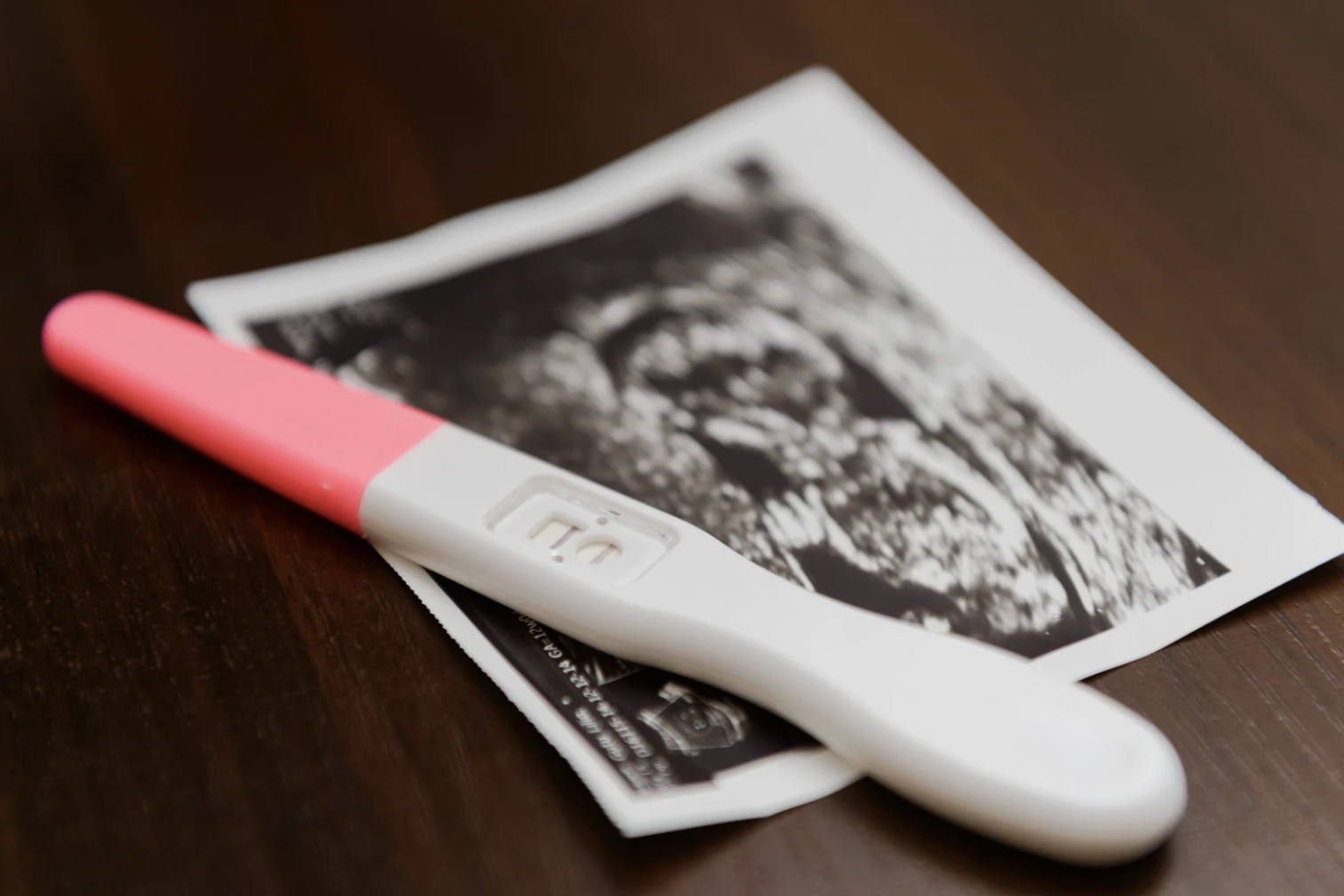
Early Pregnancy SymptomsTraditional Chinese Medicine Perspective
Early Pregnancy Symptoms — A TCM Perspective by Dr. Wesley
The first trimester is a time of incredible transformation, and many early pregnancy symptoms — nausea, fatigue, breast tenderness, emotional shifts, and digestive changes — are not signs that something is “wrong,” but signs that the body is working hard to protect and nourish new life.
In Traditional Chinese Medicine (TCM), these symptoms are viewed through the lens of qi flow, organ harmony, and the natural reorganization of the body to support fetal development. Dr. Wesley beautifully explains how early pregnancy reflects profound internal changes, and how gentle, supportive care can make this stage healthier and more comfortable.
Key insights from Dr. Wesley's article:
Nausea & morning sickness often relate to Stomach qi rising instead of descending
Fatigue appears because qi and blood focus on supporting the fetus
Breast tenderness may reflect Liver qi stagnation
Emotional shifts involve Heart–Liver balance and Shen stability
Digestive changes show temporary disruption in the Spleen & Stomach
Gentle acupuncture, mindful lifestyle habits, and pregnancy-safe herbs can support comfort and balance
Most importantly, Dr. Wesley emphasizes safety — knowing when symptoms are normal and when medical care is needed.

The Five Elements in TCM: How They Influence Your Body and Mind
Traditional Chinese Medicine (TCM) is built on the principle that nature and the human body are deeply interconnected. One of its core theories is the Five Elements Theory, which explains how different aspects of the body, emotions, and even personality traits are influenced by the elements Wood, Fire, Earth, Metal, and Water. Understanding these elements can help you achieve better health, emotional balance, and overall well-being.

Yin and Yang: The Balance Behind Health and Wellness
Yin and Yang are the foundation of Traditional Chinese Medicine (TCM) and represent the dynamic balance that governs all aspects of life, including health, energy, and emotional well-being. This ancient philosophy teaches that harmony between Yin and Yang is essential for maintaining optimal health. When imbalances occur, they can lead to fatigue, stress, digestive issues, and chronic illnesses.

Embrace the Power of the Summer Solstice
Tian Chao Wellness Spa presents how to embrace the power of the summer solstice with Traditional Chinese Medicine.